
Table of Contents
ToggleFrom circular materials and carbon footprint to low-carbon productsCRAMandGIGABYTEExplore togetherartificial intelligenceThe concept of sustainable supply chains and low-carbon thinking in the era
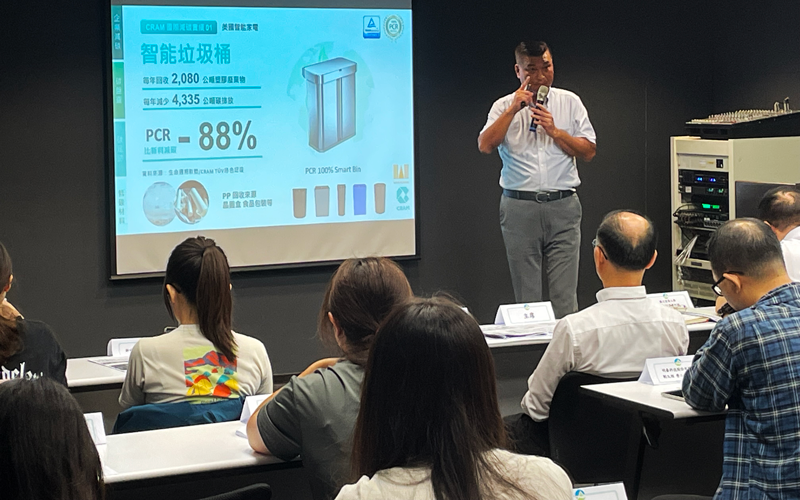
On September 17, 2026, Lin Hsuan-Lung, CEO of Carbon Recycling Materials (CRAM), was invited to attend GIGABYTE Technology's "Reduce, Share, Love the Earth Alliance | 2026 Annual Supplier Conference". With the theme of "Creating Low-Carbon Circular Materials for the AI Era", he shared practical trends in circular materials, low-carbon materials and corporate sustainability transformation with GIGABYTE and supply chain partners.
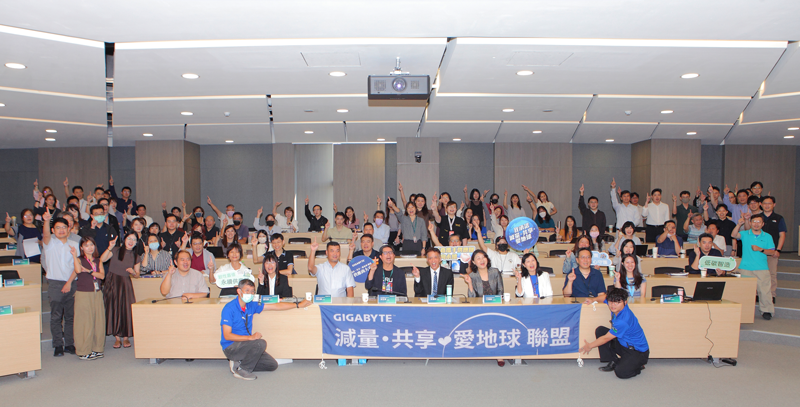
The faster AI advances, the more the supply chain needs to be low-carbon.
As AI rapidly drives the development of the global technology industry, businesses are simultaneously increasing their demand for high-performance products, energy, and supply chains. For brand owners, OEMs, manufacturers, and material suppliers, reducing their carbon footprint and strengthening supply chain resilience, in addition to product innovation, has become a crucial issue for sustainable development.
GIGABYTE holds a supplier conference every year, which is not only for communication, but also an important platform for uniting efforts to reduce carbon emissions in the supply chain.
When brand owners, OEMs, manufacturers, and suppliers move toward the same low-carbon goal, carbon reduction is no longer just the responsibility of a single company, but can extend from products and materials all the way to the entire supply chain, allowing changes at every link to accumulate into greater sustainable value.
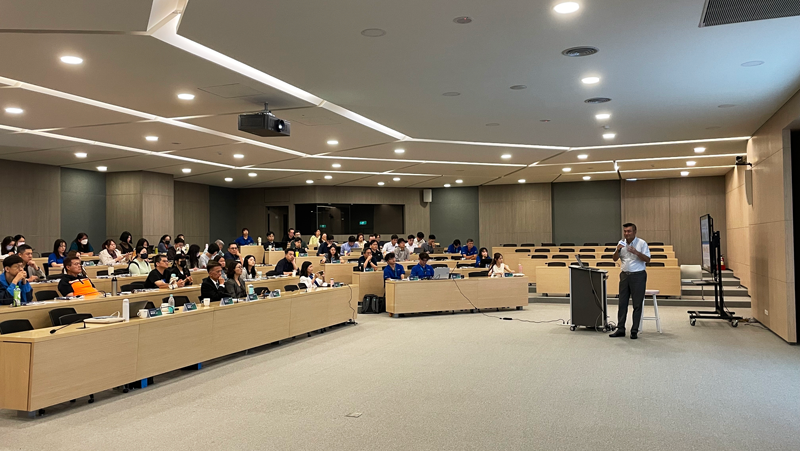
This presentation focuses on the role of "low-carbon circular materials" in the supply chain in the AI era. Starting from the materials side, it explores how recycled plastics, recycled aluminum, recycled copper, circular materials, carbon footprint, and low-carbon products can be gradually integrated into enterprise products and supply chains.
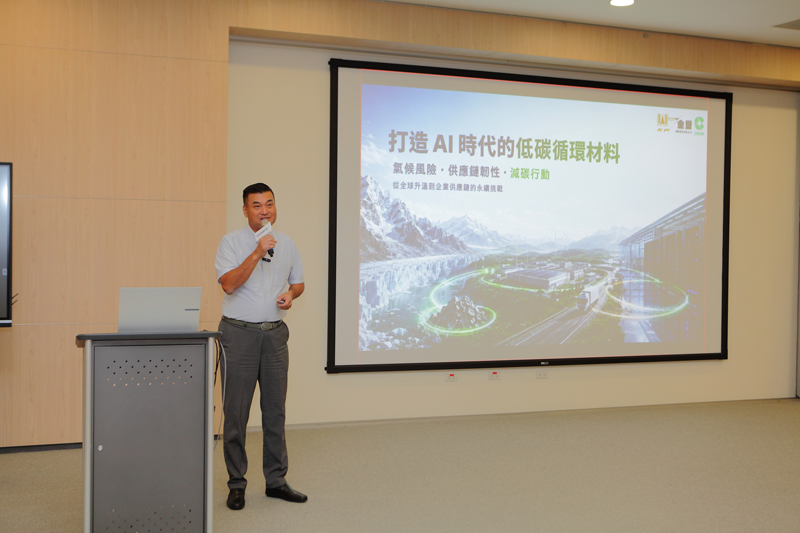
Global Compliance Framework: CRAM Spanning Three Materials (Plastic, Aluminum, and Copper)
CRAM Carbon Recycling Materials has been involved in recycled plastics since 2005. In 2011, its materials passed TÜV's green material verification. In 2017, it passed TÜV's carbon footprint verification. In 2021, it developed recycled aluminum. In 2023, CRAM was established and recycled copper was developed. In 2024, it further developed low-carbon products. In 2026, it will continue to promote the digitization of production traceability and ESG sustainability services.
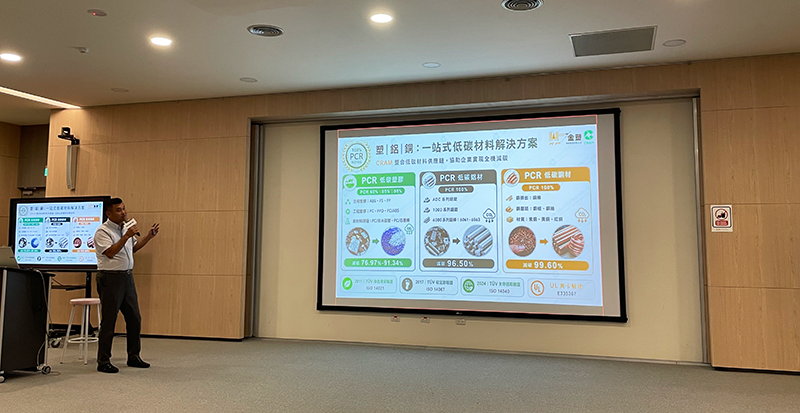
CRAM breaks through conventional low-carbon limitations: redefining the physical property ceiling of PCR materials with "high-order functional modification".
In terms of material quality, CRAM has established its own testing laboratory, equipped with constant temperature and humidity testing machines, RoHS 2.0, pyrolysis phthalic acid detectors, X-ray testers, and universal tensile/bending testers, to enhance the reliability of cyclic materials in application from the perspective of material performance and quality verification.
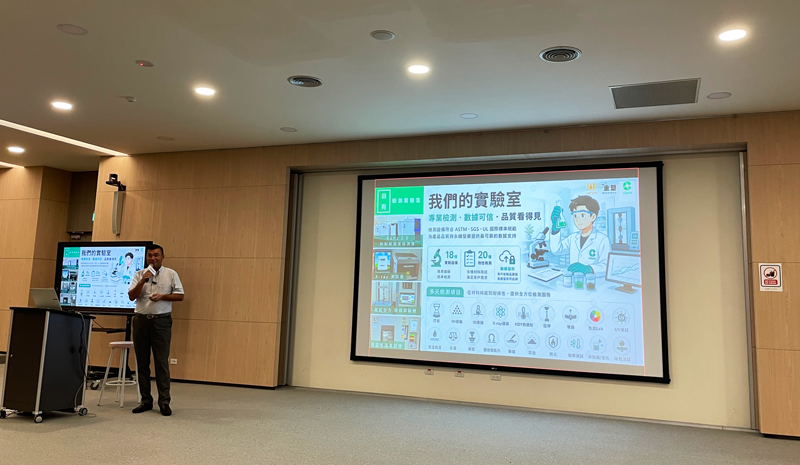
We understand that global electronics and communications brands are unwilling to compromise on product performance as they strive for net-zero carbon emissions. Therefore, this series of modification engineering projects completely breaks the traditional limitation that "recycled materials can only be used in low-end products," directly targeting core components in high-power, demanding operating conditions.
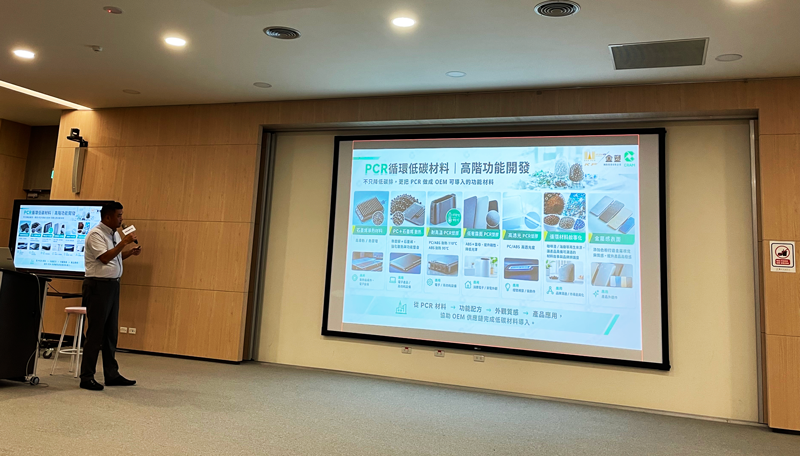
In collaboration with CRAM's R&D center, Kingsoft International's central laboratory has developed seven modification technologies for graphene, including thermal conductivity, high electrical conductivity, 110°C high-temperature resistance, low-gloss matte finish, high light transmittance, unique textured appearance (bio-based storytelling), and -40°C extreme cold resistance. We not only assist OEM supply chains in reducing the carbon footprint of 70%~95% materials, but also empower products through "functional formulations" and "appearance textures," giving your finished products an unshakeable sustainable competitive advantage and high premium when exported to the EU and global markets.
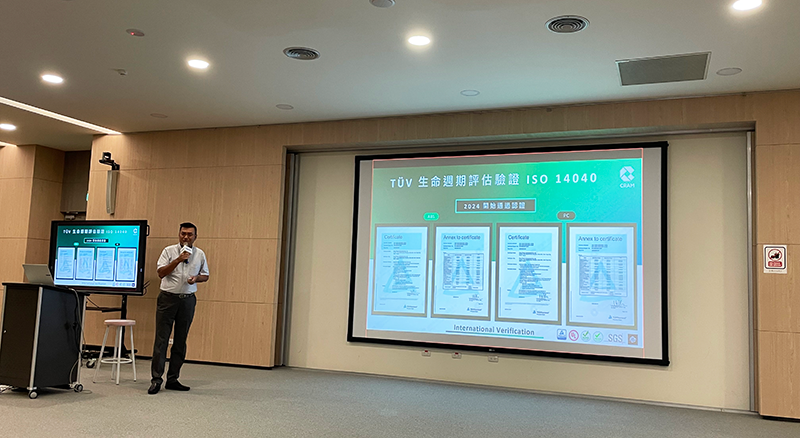
In addition, CRAM continues to build a data foundation for low-carbon materials through third-party verification, including TÜV ISO 14021 green environmental protection verification, TÜV ISO 14067 carbon footprint verification, and TÜV ISO 14040 life cycle assessment verification.
For businesses, low-carbon transformation is not just about "using recycled materials," but about gradually establishing a verifiable and continuously manageable low-carbon product model, encompassing material selection, product design, quality management, carbon footprint data, and supply chain cooperation.
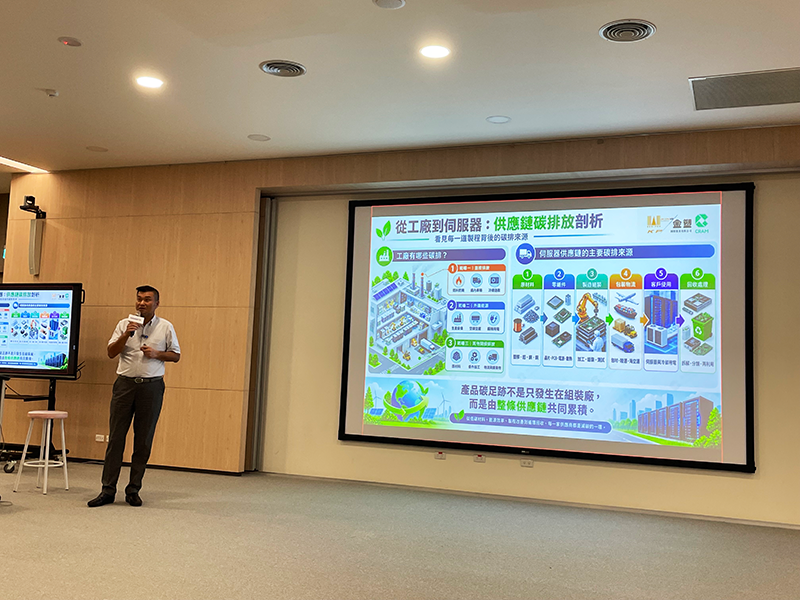
Invited to participate in GIGABYTE's 2026 Supplier Conference, CRAM hopes that through industry exchange, circular materials can go beyond ESG initiatives and truly integrate into products and supply chains, becoming an important material solution for enterprises facing the AI era and global low-carbon transformation.
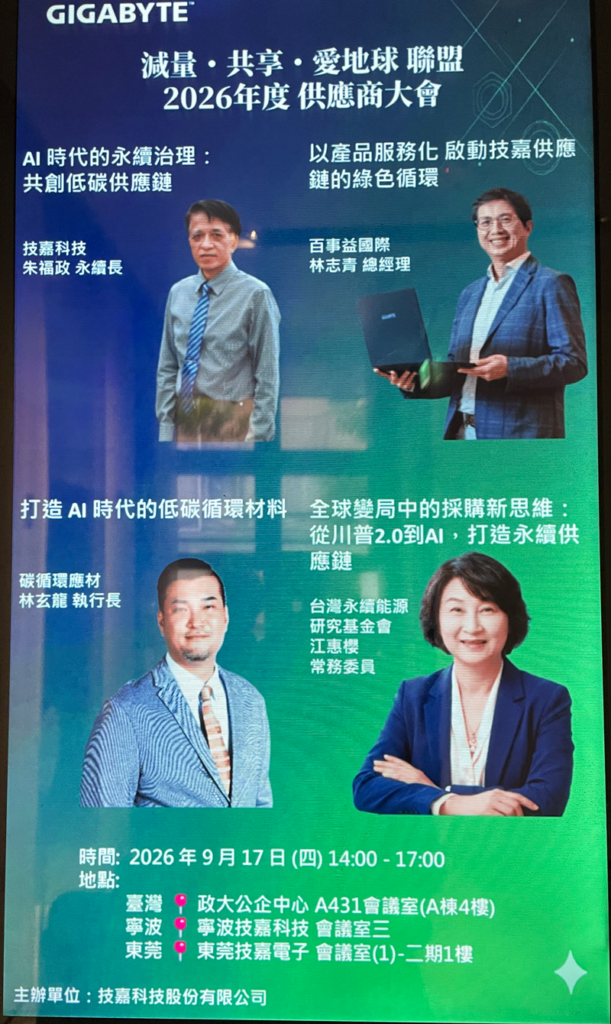
CRAM sincerely thanks GIGABYTE for their invitation and trust.
From education and training, supplier exchanges, to the actual implementation of low-carbon products, GIGABYTE's continuous investment in a sustainable supply chain demonstrates that true low-carbon transformation is not accomplished by a single company, but by the entire supply chain working together. CRAM is honored to be a part of this effort, continuously contributing to carbon reduction for brands, OEMs, manufacturers, and supply chain partners through circular materials and low-carbon technologies.

 EN
 TW