
Eliminating carbon emissions from the 70% without altering the production line reveals a key path for the automotive industry's low-carbon transformation.
🔥 A speech that seizes the trend: Automotive brands join hands with the supply chain to meet the 2030 carbon reduction deadline.
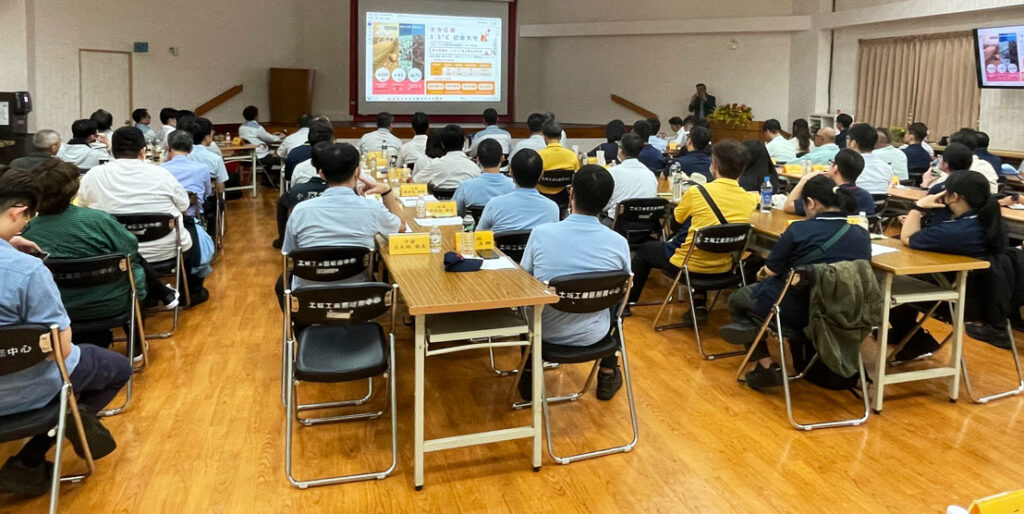
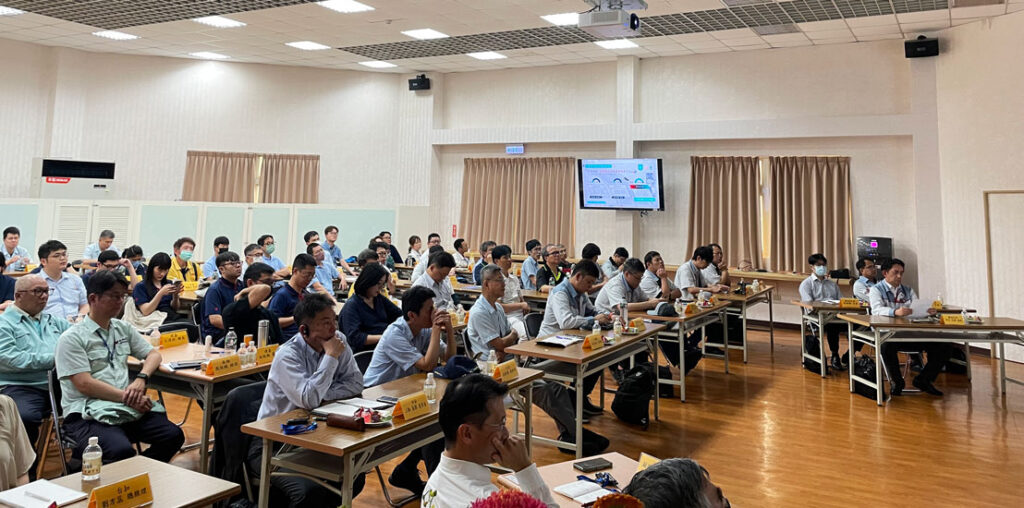
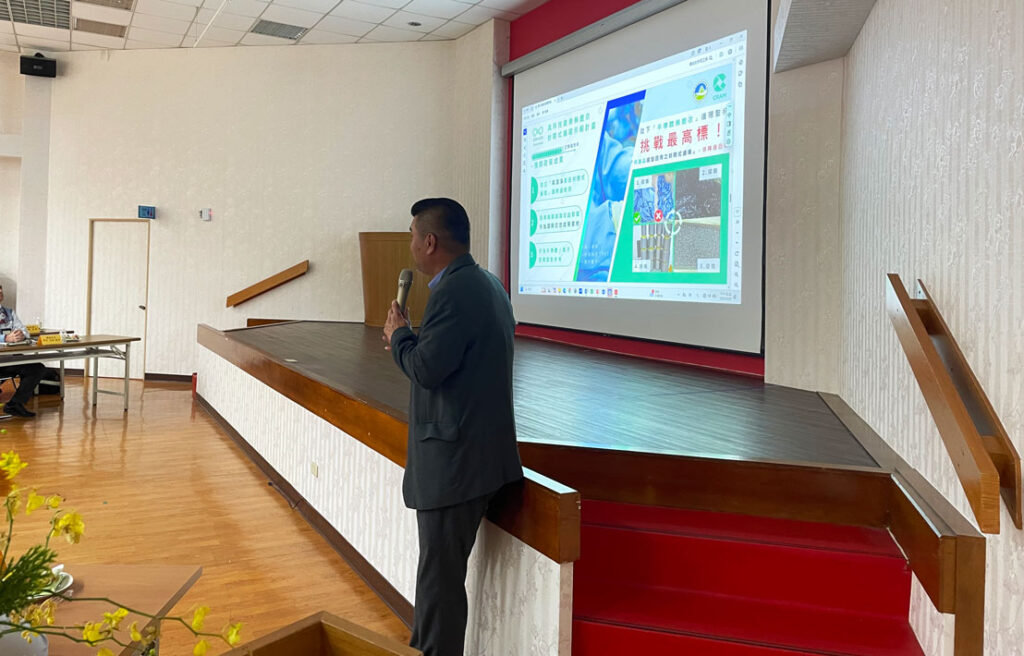
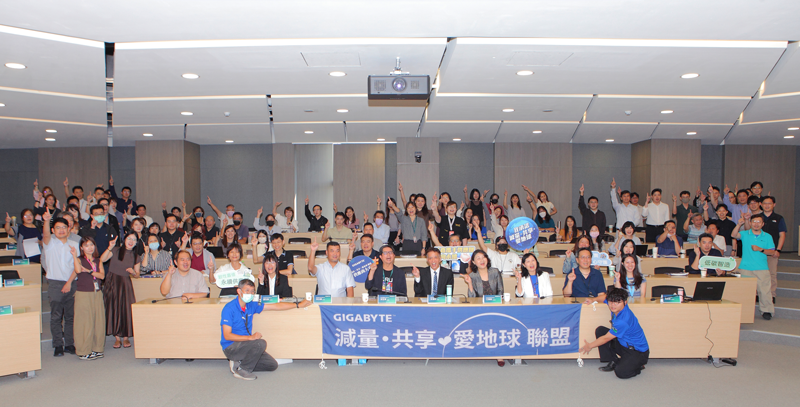
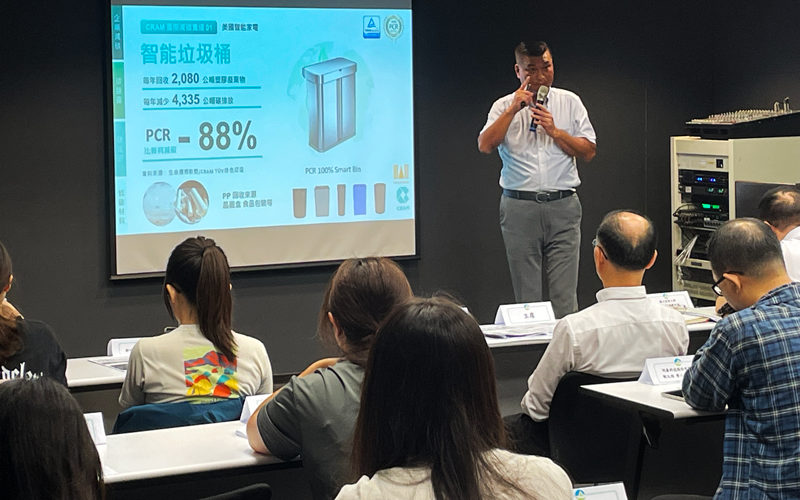
On April 29, 2026, Lin Hsuan-Lung, CEO of Carbon Cycle Materials (CRAM), was invited to attend the annual supplier training and strategy briefing hosted by a leading international automotive brand's Taiwanese OEM. The event brought together representatives from the brand's purchasing, quality assurance, and R&D departments, as well as twenty Tier 1 and Tier 2 suppliers, to discuss the most pressing issues facing the automotive industry.How to effectively reduce carbon emissions in the automotive industry supply chain under customer demands and regulatory pressure is a rare formal collective mobilization on the issue of carbon reduction in Taiwan's automotive supply chain..
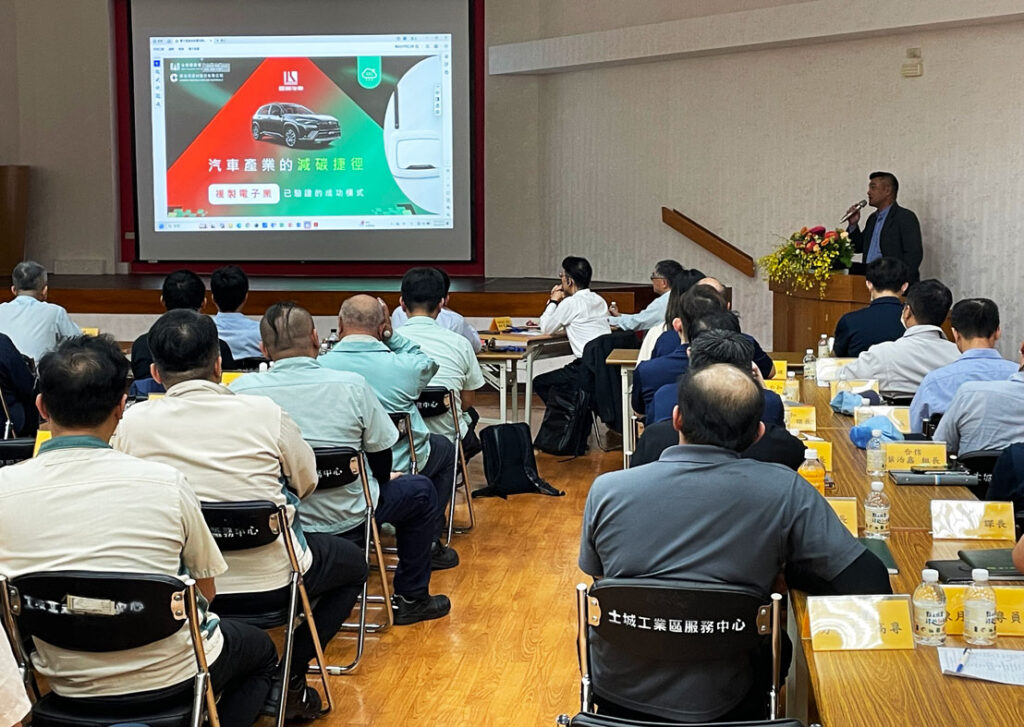
Lin Hsuan-lung, in his presentation titled "A Shortcut to Carbon Reduction in the Automotive Industry—Replicating the Proven Success Model in the Electronics Industry," pointed out...The carbon credit dividend is fading, and PCR materials have become the most cost-effective carbon reduction tool for automakers..
🚨 Temperatures have risen above 1.5°C, breaching the red line for human survival.
CEO Lin Xuanlong began his presentation with a set of startling data: 2024 became the first year in history to see global warming exceeding 1.5°C. The United Nations warned that 1.5°C is a red line for human survival. The climate crisis brings not only environmental risks, but also direct commercial shocks such as supply chain disruptions, soaring raw material costs, and the imminent threat of carbon tariffs.
He pointed out that the EU's CBAM carbon tariff will be officially implemented in 2026, Taiwan's Financial Supervisory Commission is mandating listed companies to disclose Scope 3 emissions, and Taiwan is fully aligning with the international ISSB climate disclosure standards. These three pressures are simultaneously weighing on Taiwan's automotive supply chain.
🧩 Tesla's "carbon credit printing machine" crashes: Carbon reduction tools have shifted from carbon credit trading to low-carbon materials.
The CEO of CRAM began by pointing out that Tesla once earned $2.8 billion annually by selling carbon credits, but the carbon credit market collapsed overnight after the US abolished the CAFE penalty mechanism.The era of offsetting emissions through carbon credit trading is over. Car manufacturers must return to the products themselves and reduce carbon emissions at the source of materials.」
He cited data showing that up to 70-80 TP3T of carbon emissions from automobiles come from raw material procurement (Category 3), whileReplacing with low-carbon PCR materials can reduce carbon emissions by 6.1 tons per ton.These are several publicly cited examples within the industry of carbon emission reductions achieved by replacing virgin plastics with PCR plastics throughout the "cradle to door" process, from raw material extraction to pelletizing.The cost is far lower than purchasing carbon credits.This is precisely why the world's top automakers are shifting towards materials that reduce carbon emissions.
🛢️[Pain Points of Carbon Reduction] Is Energy Improvement Too Slow and Inadequate?
Carbon reduction without massive equipment upgrades (70%): "Material replacement" is currently the most efficient strategy.
In his speech, the CEO of CRAM pointed out that many manufacturers are troubled by the high investment required to replace equipment. Compared to traditional methods, which involve spending a lot of money to switch to green energy or optimize energy-saving processes,The fastest and most cost-effective shortcut to carbon reduction is to "switch to low-carbon materials"..
According to the data,Using PCR (Post-Consumer Recycled) low-carbon recycled plastics such as ABS, PC, or PP can directly reduce carbon emissions by 701 TP3T to 951 TP3T compared to virgin materials. Furthermore, recycled aluminum provided by Carbon Circulation Materials achieves an even more impressive carbon reduction of over 961 TP3T.This allows the cooperating auto parts manufacturers to..."Zero labor pains"Under the premise of, directlyProduct carbon emissions reduced by more than 70%Furthermore, it can be implemented without significant modifications to existing equipment, making it currently...The carbon reduction pathway with the highest reporting rate.
Taking the front and rear bumpers of the TOYOTA Corolla Cross as an example, the introduction of PCR 100% PP material reduces carbon emissions by 641 tons per year, equivalent to the annual carbon absorption of 13 new Da'an Forest Parks. Furthermore, the carbon footprint data for each kilogram is verified through [unclear - likely referring to a data point or process].TÜV ISO 14067 International Third-Party Verification.
🚗Six major automakers have launched the program, making PCR materials a new hurdle for ESG supply chain management.
The materials displayed at the event showed that the EU's ELV (End-of-Life Vehicle Directive) regulations mandate...From 2035 onwards, the recycled content of plastics in new vehicles must be at least 251 TP3T.Toyota has set its own target of using recycled materials in its vehicles to reach over 30% of total output (30% TP3T) by 2030, exceeding regulatory requirements. BMW, Mercedes-Benz, Stellantis, and others have already mass-produced and implemented PCR interior and exterior components.
「This is not in the future tense, it is in the present continuous tense.Lin Xuanlong emphasized, "When your customers start asking suppliers to provide low-carbon materials and carbon footprint data, whoever can deliver results first will be able to win the orders for the next generation of new car models."
In his speech, CEO Lin emphasized: "Helping brands reduce carbon emissions is helping ourselves win orders. The lower the carbon footprint of suppliers, the more indispensable brands will be to you. This is not charity; it's building a moat that customers can't switch to."
♻️ Carbon Cycle Materials provides not just materials, but complete low-carbon transformation solutions.
Carbon Recycling Materials, as the only company in Taiwan recognized by the Ministry of Environment's Resource Recycling Administration and an implementing unit of the National Circular Economy Demonstration Project in cooperation with the Resource Recycling Administration, can provide one-stop carbon reduction services for enterprises, including low-carbon key materials (plastics, aluminum, copper), digital carbon inventory, CarbonID material traceability platform, closed-loop product recycling, and internal recycling of factory waste materials. All carbon footprint data have TÜV Level 1 verification reports, which can directly meet the needs of brand audits, CBAM reporting, and ESG sustainability disclosure.
🎯 Next step: Immediate assessment to seize the initiative in green supply chains.
The training program received a warm response. The CEO of Carbon Cycle Materials stated that they will continue to assist automotive brands and their supply chains in implementing feasible, verifiable, and mass-producible low-carbon solutions to jointly achieve the 2030 carbon reduction goals.
👉 Schedule a free PCR feasibility assessment to find out how much carbon reduction your product can achieve.
📞 +886-3-328-2301
📧 service@cram-cc.com


 EN
EN  TW
TW